
Choosing Mirrors for Multi Use Venues: A Practical Guide
Updated: Nov 13
Table of Contents
Last Updated: October 19, 2026
How to Choose Mirrors for Multi Use Venues: Start With Flexibility
Choosing mirrors for multi use venues comes down to one principle: the mirror must adapt to the room, not the other way round. At Mirrors for Training, we build British-made portable mirrors on wheels for exactly this problem, and we have supplied schools, gyms and rehabilitation clinics since 2007. Most buying guides treat size and style as the whole decision, then leave venue managers to discover the safety and storage problems later.
Why Mobile Mirrors on Wheels Solve the Reconfiguration Problem
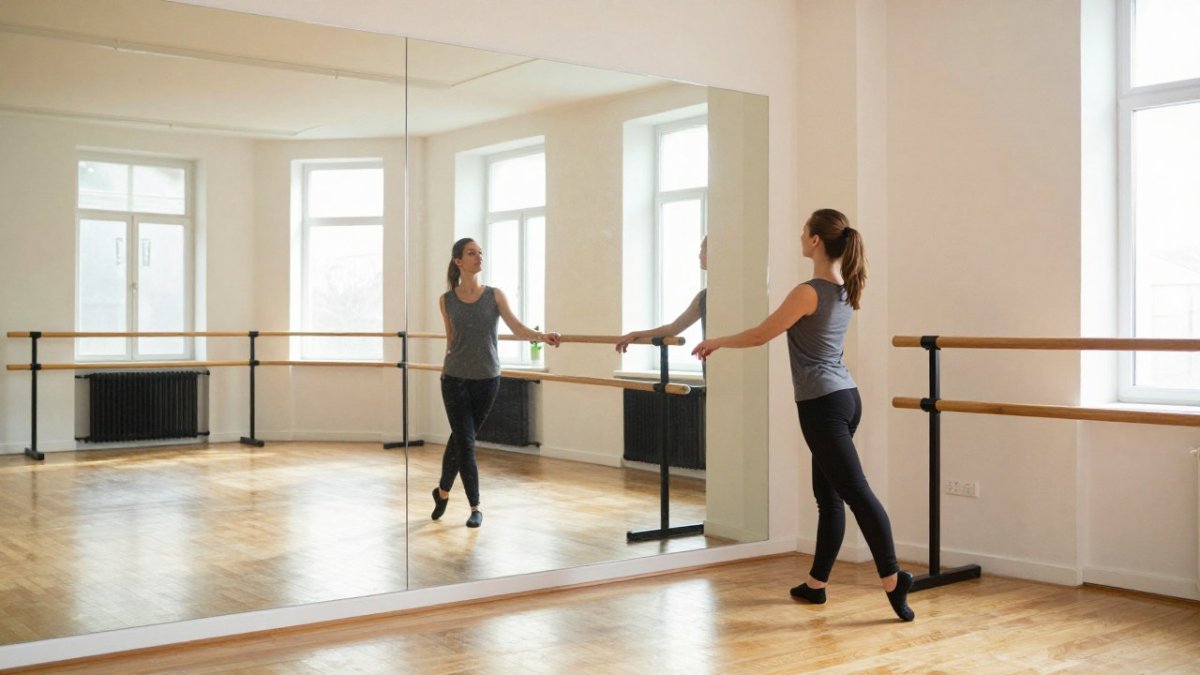
A portable mirror on lockable wheels gives you a full mirrored wall in minutes, then clears the floor just as fast. Fixed glass locks a room into one layout; mobile mirrors let the same hall serve a dance class, a circuit session and a youth sports group on the same day.

Maintaining this level of spatial flexibility ensures that a facility remains adaptable to changing programming needs, much like how a bespoke mirror installation can be tailored to fit the unique architectural constraints of a private residence.
Three practical points decide whether a mobile mirror works in a busy venue:
Lockable wheels. Braked castors hold the mirror steady during use, then release for moving.
Stackable design. Units store flat against a wall when the room needs clear space.
No wall drilling. Nothing permanent goes into a rented or listed building.
A stackable frame takes up a fraction of the room compared with a fixed mirrored wall, and it tucks into a corridor or store cupboard between sessions.
Pro Tip Measure your narrowest doorway before you order. A mirror that performs beautifully in the studio is useless if it cannot pass through the door on the way in.
Mirror Safety for Schools and Shared Spaces: What to Check Before You Buy
Safety decides the purchase in any school, clinic or community hall. Check four things before you commit:
Impact-resistant glass. Ask for safety-backed mirror glass that holds together if struck.
Brake quality. Test the castors. A locked wheel should not slide under a leaning adult.
Frame stability. A wide base resists tipping when someone loses balance against it.
Edge protection. Rounded or capped edges matter in rooms used by children and vulnerable adults.
We also recommend a simple pre-purchase check:
Confirm the glass is safety-backed, not standard mirror
Test every brake under load
Check the base width against your tallest user
Ask how replacement glass is supplied if a unit is damaged
On cost, our single-sided portable mirror is £695, a set of four portable mirrors on wheels is £2,200, and replacement glass is £330, versus £1,695 for four fixed mirrors you cannot move when the timetable changes.
Watch Out Skipping the brake test is the most common mistake we see. A mirror that creeps during a session becomes a tipping risk, and in a room full of participants that is exactly when injuries happen.
Frequently Asked Questions
What should you consider when choosing mirrors for a multi-use venue?
Start with how the room changes through the day. A hall used for dance classes, fitness sessions and community events needs mirrors that move, lock and store easily. Check the mirror size and height against your tallest and shortest users, confirm the wheels lock securely, and plan where the units will live when not in use. Safety-backed glass, rounded edges and a stable base matter more than decorative frames in shared spaces. Also confirm delivery lead times so the mirrors arrive before your next term starts.
Are portable mirrors suitable for schools and sports halls?
Yes, provided they are specified for shared use. Look for safety-backed glass that holds together if struck, lockable castors so units stay put during sessions, and a frame that withstands being moved several times a day. Schools should check that mirrors can be pushed to the wall or into a store between lessons, and that staff can move them without specialist equipment. A written risk assessment covering placement, supervision and storage will satisfy most site requirements.
How much do portable mirrors for multi-use venues cost?
Prices vary by size and quantity. A single portable mirror on wheels starts around £695, while larger sets scale up: a set of four portable mirrors on wheels is £2,200, and a set of ten portable mirrors is £4,800. Smaller options such as a set of ten mirrors at £150 suit tight budgets. Compare the total cost of ownership, including delivery, storage space and replacement glass, rather than the sticker price alone.
Reconfiguring a shared hall is a constant juggling act, and fixed glass makes it harder. Mirrors for Training builds portable mirrors on wheels with safety-backed glass, lockable castors and a stackable frame, so one room can serve every session on your timetable. Get started with Mirrors for Training and give your venue a professional mirrored setup that moves when you do.

Comments